
 Published Oct 23, 2025


Katelynn Sobus / Cats.com
One of the most dreaded chores for any cat parent is cleaning the litter box. Scooping is tedious enough, but deep cleaning is especially awful. Removing caked-on chunks of litter, scrubbing the box… As someone with multiple cats, I dream of an easier solution.
That’s why I purchased and reviewed five of the best litter bags and liners on the market. I wanted to find out what works, what doesn’t, and the best ways to use litter liners. I found that sometimes they can make an even bigger mess, but when used the right way, they can cut cleaning time in half.
At a Glance: Best Cat Litter Bags and Liners


In the comparison table below, we’ve highlighted some of the most important features of each product. You’ll find more detailed information about each product later in the article.

Jonny Cat Heavy Duty Tear-Resistant Litter Box Liners
- Comes in a 5- or 15-count package
- 2 MIL thick liners for fewer tears
- Drawstring for easy clean-up


PetsWorld Cat Litter Box Liners
- Sold in large packages, so you don’t have to buy several boxes at a time
- Comes in an extra-large and a jumbo size
- Durable and fragrance-free


Frisco Litter Box Pan Liners
- Comes in a 5- or 15-count package
- Durable and fragrance-free
- Sold in a jumbo size to fit most litter boxes


Nature’s Miracle Odor Control Jumbo Cat Litter Box Liners
- Lightly scented to help conceal odors
- Larger than the other liners on our list
- Included tape helps to secure liner onto the litter box


ASPCA Fresh Scented Cat Pad Refills
- Can absorb urine from several litter box visits
- Easy cleanup–simply remove and dispose
- Great for the bottom layer of sifting litter boxes
Are Litter Box Liners Good for Cats?
Many experts advise against litter liners because a cat’s claws can get caught on them while scratching, which can discourage them from using the litter box in the future. Your cat may also scratch holes in the liner, which defeats the purpose of using one in the first place.
Another reason not to use litter liners is if your cat likes to chew plastic, as they could eat the liner and develop intestinal blockages.
That said, there are ways to use litter liners to make life with cats easier. For instance, you might use them on the bottom layer of a sifting litter box, especially while using pine pellets or non-absorbent litters.
During testing, I also learned a few tips for traditional use of litter liners that help to improve their functionality:
- Using more litter can help to make scooping easier and reduce the risk of tears. Aim for at least four inches.
- When using a litter liner, avoid litter boxes with rounded bottoms. Litter boxes with flat bottoms and squared edges are best.
- Double-lining the litter box can help to prevent tears and spills.
Why Trust Cats.com
I’m a lifelong cat owner who knows how much of a hassle cleaning the litter box can be, especially if you have physical disabilities that make scooping or scrubbing difficult. When choosing products for this article, I read customer reviews and talked to other cat parents about their experiences.
I then tested the litter liners in two ways: to line the bottom of a layered litter box, and as a liner in a traditional litter box. While my hypothesis was that none of the litter liners would hold up to the second method, I went in with an open mind in hopes that some of the products would surprise me!
Unfortunately, every single product ended up tearing, leaking, and generally creating a mess when used traditionally. But, as I said above, litter bags and liners still have their place, especially for those using pine pellets or non-absorbent litters.
5 Best Cat Litter Bags and Liners
While our overall best pick is the Jonny Cat heavy duty tear-resistant litter box liners, we’ve broken our picks into numerous categories to help you choose the best for you and your cat. Whether you’re looking for affordable litter liners, odor control, or an absorbent liner, we have the right product for you!
#1 Overall Best: Jonny Cat Heavy Duty Tear-Resistant Litter Box Liners
These heavy-duty litter liners from Jonny Cat come in a 5- or 15-count package. The bags are thick, with drawstrings for easy cleanup. They seemed to wrinkle at the bottom less than the other liners I tried, which made scooping the litter box easier.

Katelynn Sobus / Cats.com

Katelynn Sobus / Cats.com

Katelynn Sobus / Cats.com
While these liners are sturdy, I’ve yet to find a litter box liner that is truly claw-resistent. Therefore, it can still tear when your cat scratches in the litter box. However, it tore less than some of the other bags on our list.
What We Liked
- Comes in a 5- or 15-count package
- Liners are 2 MIL thick, which reduces tearing compared to thinner materials
- Each bag has a drawstring for easy clean-up
What We Didn’t Like
- Not completely tear-resistant
#2 Runner Up: PetsWorld Cat Litter Box Liners
The Petsworld cat litter box liners are another thick, durable option. I ordered the extra-large size, rather than the jumbo, so you might notice that they fit more snugly onto my 23.7” x 15.7” litter box than the other brands. That said, they do come in a jumbo size if you need something bigger.

Katelynn Sobus / Cats.com

Katelynn Sobus / Cats.com

Katelynn Sobus / Cats.com
Sold in 25- or 30-count packages, these liners are durable, scent-free, and come with drawstrings for easy clean-up.
What We Liked
- Sold in 25- or 30-count packages
- Comes in two sizes: extra-large and jumbo
- Durable and fragrance-free
What We Didn’t Like
- Not completely tear-resistant
#3 Budget Pick: Frisco Litter Box Pan Liners
When I’m looking for a quality yet affordable product, I often turn to the Frisco brand. Exclusive to Chewy, they have a multitude of products for cats and other pets.

Katelynn Sobus / Cats.com

Katelynn Sobus / Cats.com

Katelynn Sobus / Cats.com
With a thickness of 2 MIL, these litter liners are just as durable as the other liners on our list. They’re unscented, come in a single size that will fit most litter boxes, and have a drawstring for easier clean-up.
What We Liked
- Sold in a 5- or 15-count package
- Jumbo size will fit most litter boxes
- Litter liners are thick and durable
What We Didn’t Like
- Not completely tear-resistant
#4 Best Odor Control: Nature’s Miracle Odor Control Jumbo Cat Litter Box Liners
The Nature’s Miracle odor control litter box liners have a slight fresh scent that helps to mask litter box odors without being overwhelming. They’re also the largest liners on our list. If you have a huge litter box and have trouble finding a liner, these might be helpful, though I still recommend measuring before buying.

Katelynn Sobus / Cats.com

Katelynn Sobus / Cats.com

Katelynn Sobus / Cats.com
You may also want to double-line your litter box, since these liners are thinner than the others I’ve reviewed. They also tore the easiest during testing.
What We Liked
- Contains a light fragrance to help conceal litter box odors
- Largest litter liners at 39” x 22”
- Comes with tape to help secure the liners to your litter box
What We Didn’t Like
- Thin liners tear more easily than other brands
#5 Best Cat Pee Pad Liner: ASPCA Fresh Scented Cat Pad Refills
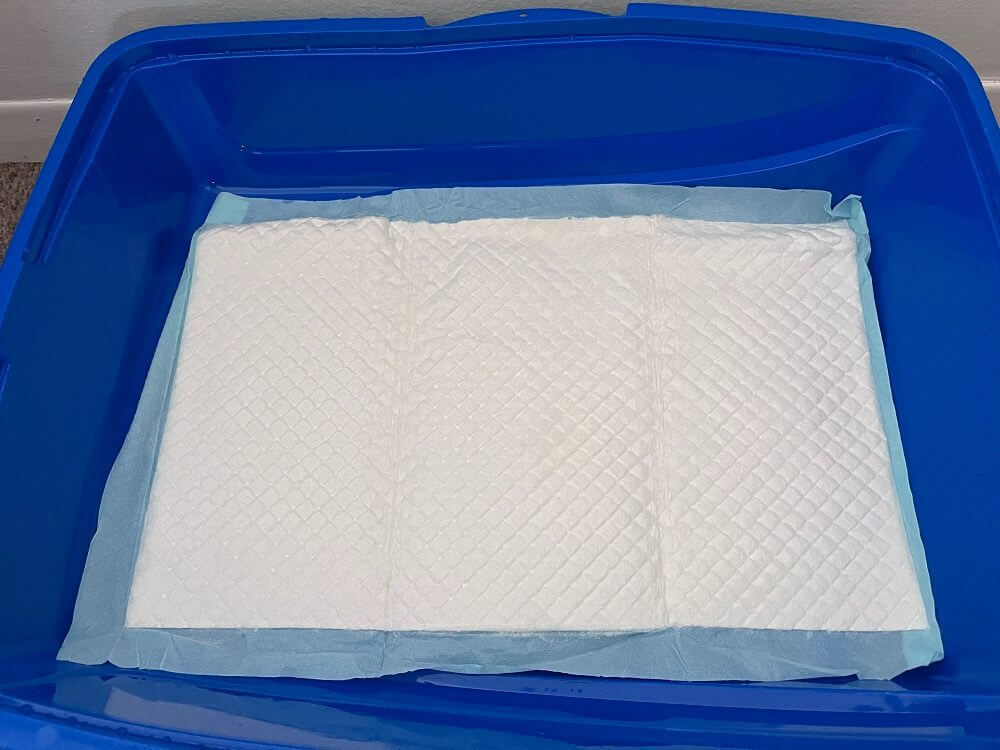
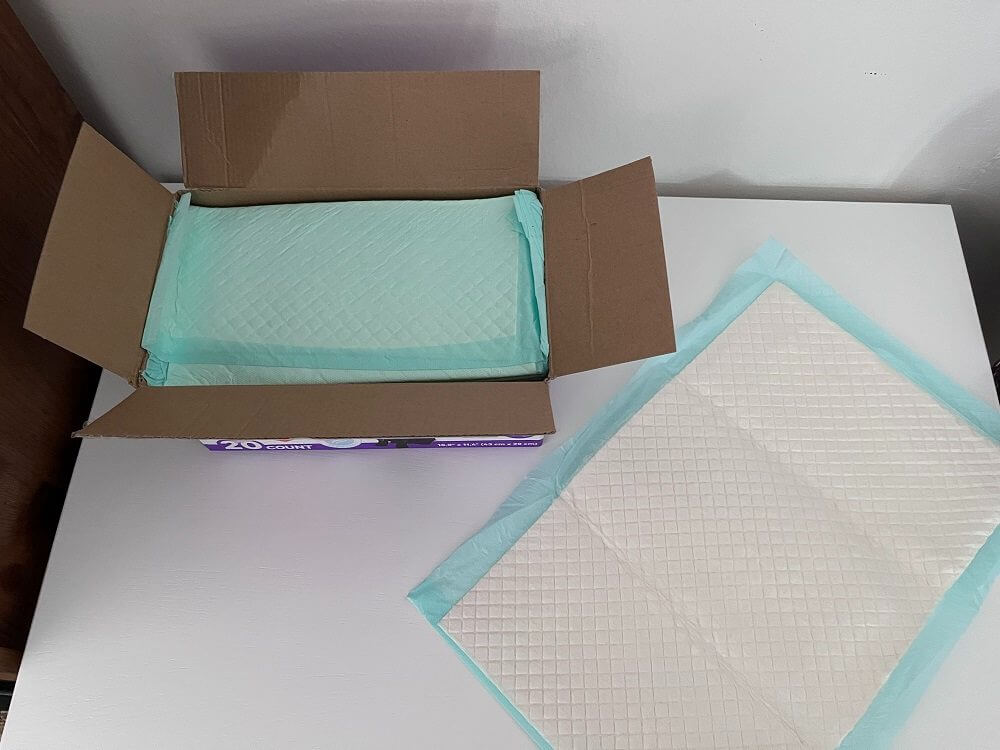
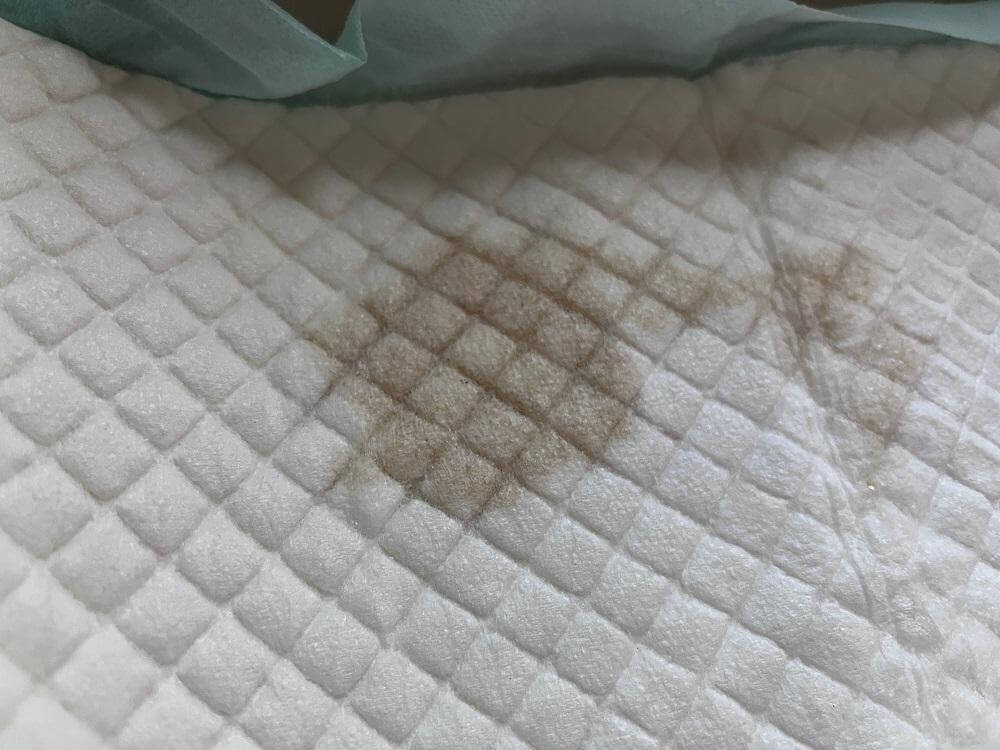
In my quest to find liners that would make cleaning the litter box easier, I wondered if a cat pee pad would work better than plastic bag-style liners. I purchased these ASPCA cat pad refills to line the bottom of the litter box, but quickly found that they moved and wrinkled considerably while scooping, making them even less effective.

Katelynn Sobus / Cats.com
Katelynn Sobus / Cats.com
Katelynn Sobus / Cats.com
Katelynn Sobus / Cats.com
That said, these do work well for their intended purpose, which is to line the bottom of either a layered litter box or one with a pull-out drawer (such as the Tidy Cats Breeze Litter Box System). With their absorbency and fresh scent, they also contain odors better than plastic liners.
The liners are small, but can be overlapped at the bottom of a larger box. You can also look into the ASPCA’s puppy pads, which come in several larger sizes.
What We Liked
- Plush and absorbent
- More scratch-resistent than plastic bag liners
- Easy clean-up
What We Didn’t Like
- Won’t stay in place when used as a traditional liner and only covers the bottom of the box, not the sides
- Strong fragrance
How to Choose the Best Cat Litter Liner
While everyone’s needs are different, litter liners are a pretty basic product. This makes them easy to buy, since there aren’t a lot of variables.
Here are just three things to consider before purchasing cat litter liners:
Size
Most litter liners come in a single, jumbo size in order to fit most litter boxes. The extra liner can fold over the sides of the litter box, and the drawstrings can be used to keep it snug. That said, they still tend to work best for large litter boxes.
If you have an especially large litter box, measure before purchasing–and remember to account for the sides of the box as well!
Thickness and Durability
Next, you’ll want to look for a litter liner that is thick and durable. In my experience, cat claws can always pierce the plastic, but sturdier liners will develop fewer tears.
Some litter liners will tell you the thickness of the product in MIL, which is one-thousandth of an inch (0.0001 inch). Others won’t provide measurements at all.
Another important aspect is that the liner can hold weight, since cat litter is typically quite heavy. Double-lining your litter box can help to prevent leakage, both inside of the litter box and when taking the used litter to the trash.
Scented vs Unscented Liners
Some litter liners are scented in effort to help conceal odors. However, most experts recommend against scented products in the litter box because they can cause avoidance. Remember that our cats’ noses are much stronger than ours!
The best way to keep odors out of the litter box is to scoop regularly. If there’s a smell leftover after scooping, it’s time to change the litter and deep-clean the litter box (either by removing the liner or scrubbing the inside of the box with soap and water).