
 Published Jan 2, 2026



Melina Grin / Cats.com
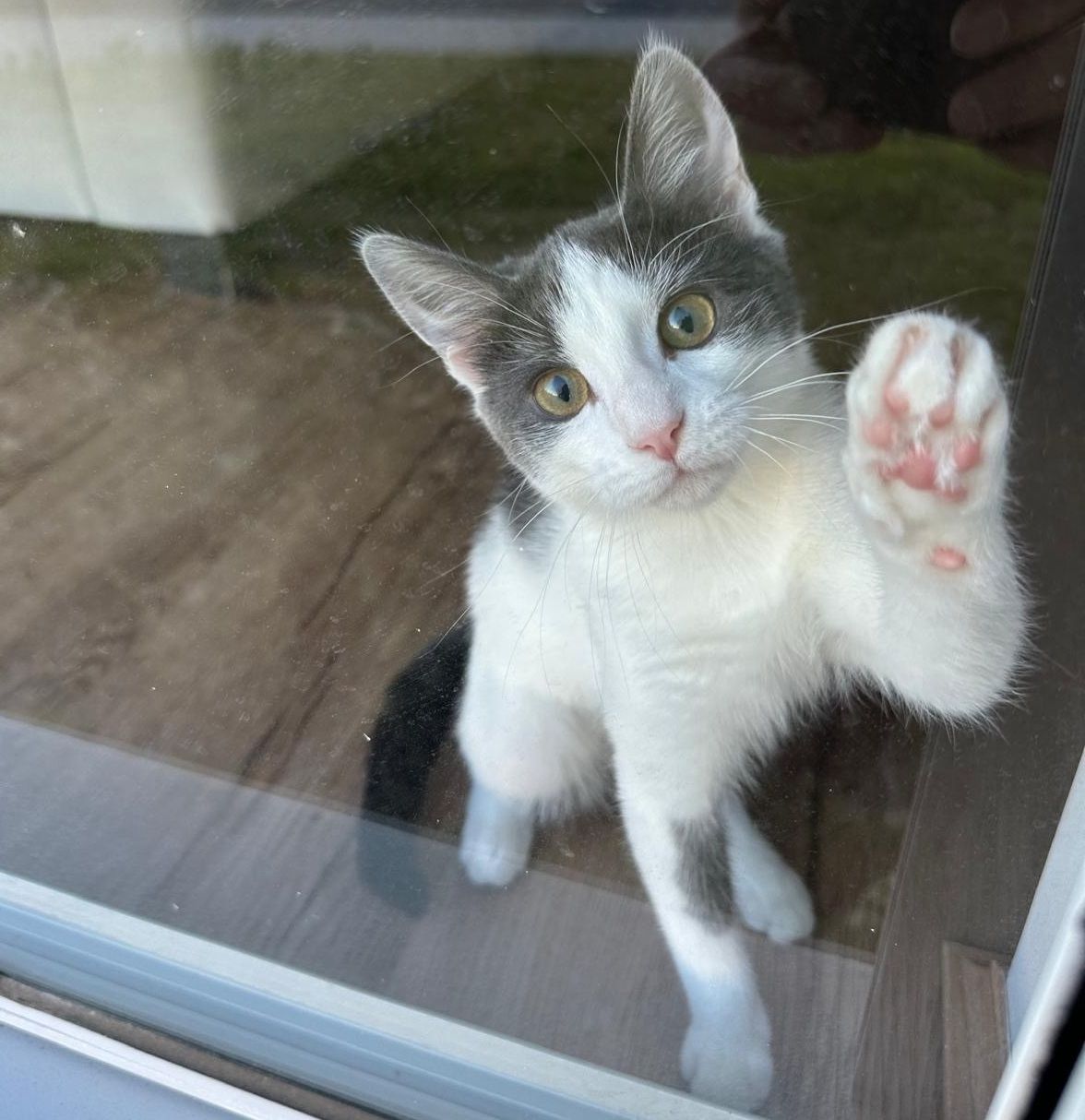
Indoor cats are often bursting with curiosity and a desire to explore the great outdoors. This instinct can be fueled by their natural interest, a yearning for new experiences or just plain boredom.
When your cat dashes through the door, it can be incredibly stressful. Let’s explore the reasons behind this escape-seeking behavior and discuss creative strategies to keep your cat fulfilled indoors and curb door- or window-darting.
Why Your Indoor Cat Is Obsessed With Going Outside
Cats may try to escape through doors or windows, vocalize their desire to go outside, or prowl between these openings to entice their owners to let them out. This behavior, while normal, can be undesirable for cat owners. It can arise from various motivations, and understanding the specific reasons behind your cat’s behavior can help you create a more enriching environment.
Here are 6 reasons why your cat might be an escape artist:
1. Natural Hunting Instincts and Territory Protection
Cats have an instinct to explore and hunt during the early morning and early evening when their prey is active. They may also feel the need to go outside to defend their territory from other cats. Even if your cat has always been an indoor pet, these instincts still exist, as they consider the outdoors an extension of their territory.
2. Mating Drive
Unneutered male cats have strong reproductive and hormonal urges due to high levels of testosterone. This drives them to seek out a female in heat and establish territory, which can lead them to escape and roam long distances in search of a mate. Unfortunately, during this process, they may get lost or injured.
3. Inadequate Enrichment and Lack of Physical Activity Leading to Boredom
Insufficient environmental stimulation, a lack of physical exercise, and inadequate opportunities for natural predatory behavior are common problems for young cats left alone for extended periods while their owners are at work.
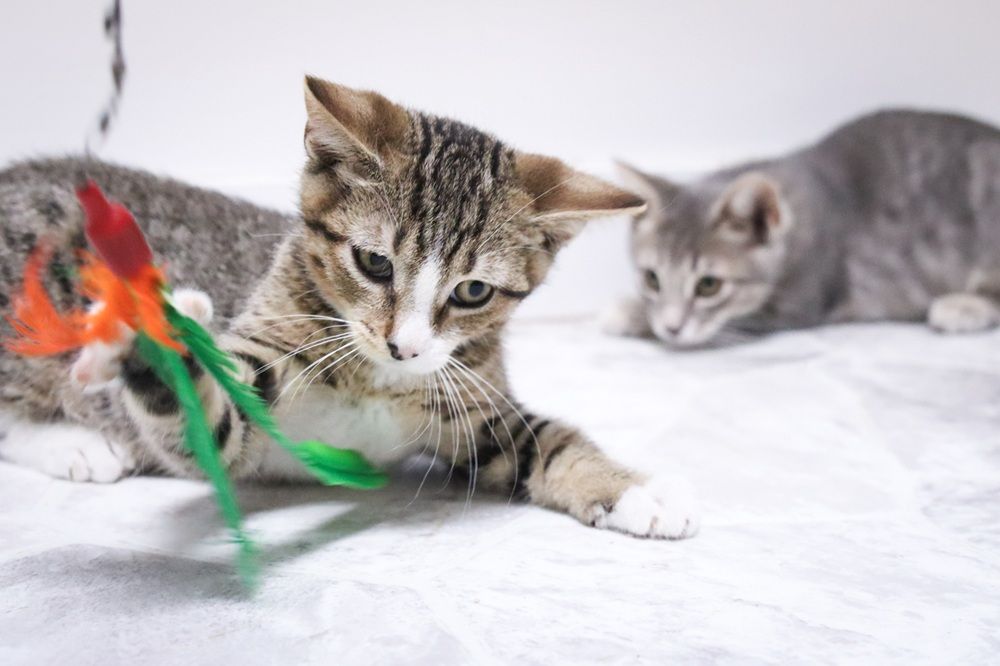
Outdoor cats benefit from climbing trees and sprinting, which helps them release pent-up energy. The outdoors provides a constantly changing array of sights, sounds, and smells that offer exciting stimulation. As a result, a bored cat that watches birds, squirrels, or rabbits and lacks vertical options indoors may develop a stronger urge to dart out the door to explore the world beyond to burn off that energy and fulfil natural hunting behaviour.
4. Major Stressors
Kirsten McCarthy / Cats.com
Key stressors for cats include home renovations, loud noises, introducing new pets, extended visits from guests, and moving to unfamiliar environments. These situations can cause cats to flee. Poor relationships between humans and cats, as well as conflicts with other cats, can lead to escape attempts.
Outdoor cats typically spend a significant portion of their active time hunting and exploring their territories. If they are kept indoors and unable to engage in these natural behaviors, it can result in stress-related issues, driving them to seek access to the outdoors.
5. Seasonal Changes
A cat’s activity level and need for outdoor time can vary with the seasons. Factors such as temperature, sunlight, daylight saving time, and other environmental conditions all influence their behavior. Free-roaming cats tend to be more active during spring and summer than in autumn and winter.
Although there may not be specific studies addressing indoor cats’ desire to go outside in spring, it is widely recognized, and there is ample anecdotal evidence, that seasonal changes trigger an increased need for outdoor time in domestic cats.
6. Built a Habit of Going Outside
If your cat has been outside, even for a short period, there is a good chance they will insist on going out again. Cats are naturally curious, and once they experience the sights and smells of the outside world, they often develop a strong desire to return. Moreover, a cat that used to be indoor-outdoor and is now confined to an apartment is more likely to want to go outside, as it is accustomed to the freedom and stimulation that the outdoors provides.
How To Prevent Cat Escape-Seeking Behaviour
To prevent cats from escaping, make the indoors more stimulating than the outdoors and reduce the rewards of door-dashing. Additionally, whenever possible, provide controlled outdoor access to satisfy their inquisitiveness while ensuring their safety.
Maximize Your Cat’s Indoor Territory
To expand your cat’s indoor space, think in three dimensions! Focus on creating vertical spaces that allow your cat to climb and observe their surroundings from a high vantage point. Unlike people or dogs, cats feel safer when they can perch off the ground. Consider adding not only cat trees, but also wall-mounted shelves and bookcases. This is especially important if you have multiple cats.
To reduce the chances of fights and food aggression in households with multiple cats, it’s essential to keep food and water stations separate so that the cats cannot see each other while eating. Additionally, increasing the number of resources throughout different areas of the home can create a sense of abundance, helping to lower tension and stress among the cats.
Make the Indoors More Engaging Than the Outdoors
Melina Grin / Cats.com
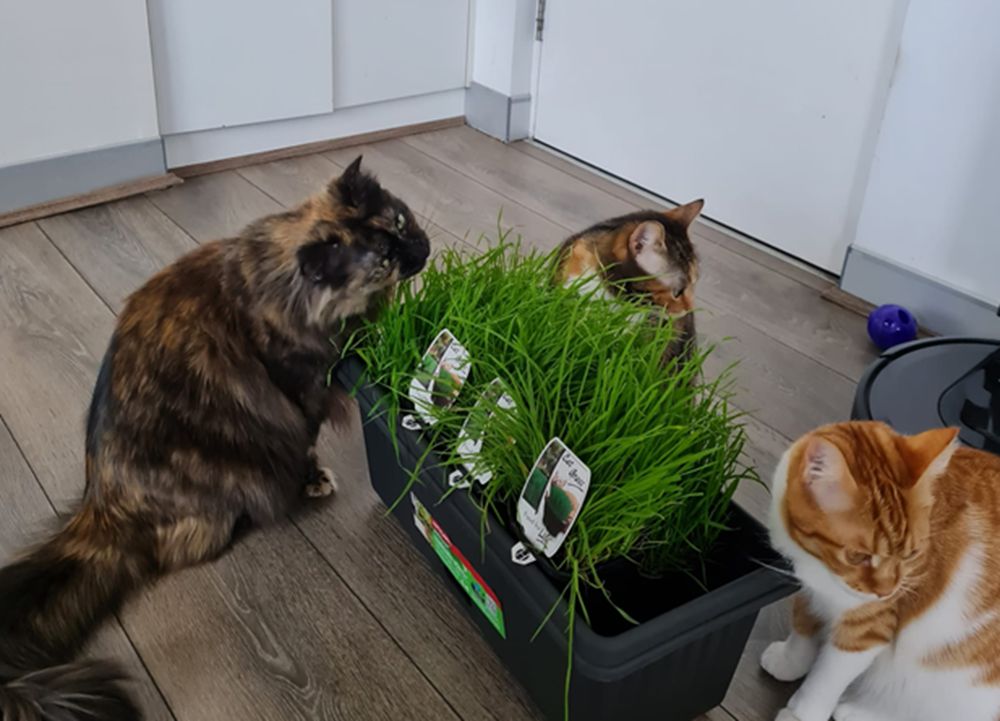
One thing is sure: life outdoors for a cat is never dull, but it does come with many risks. In addition to providing vertical space, interactive play, and hunting opportunities, consider ways to offer your cat new smells, sights, and things to discover. To keep your cat entertained, set up an engaging home by adding:
- Tunnels, boxes, and paper bags to create adventure.
- Place a cat bed near a window for safe birdwatching
- Food scavenging opportunities include treat balls, snuffle mats, and foraging boxes for mental and physical stimulation.
- Build a window Catio so your cat can enjoy the fresh air and sunshine safely.
- Play videos for cats, often of birds or small mammals
- Provide safe plants, such as cat grass, catnip, and silvervine sticks, for them to rub against or eat.
- Install a bird feeder at a high point in a tree or in a suitable location away from windowsills, where a cat or child could not reach the birds. This setup allows cats to observe the birds from a safe distance without direct interaction. Avoid feeders that use suction cups for close-up viewing, as this can frustrate indoor cats who can’t reach the birds, potentially causing stress.
- Bringing nature indoors by allowing your cat to smell and play with twigs, leaves, rocks, and dried herbs provides a variety of textures and scents, creating an excellent way to help manage anxiety and stress.
Solutions That Enable Your Cat To Explore the Outdoors Safely
Melina Grin / Cats.com
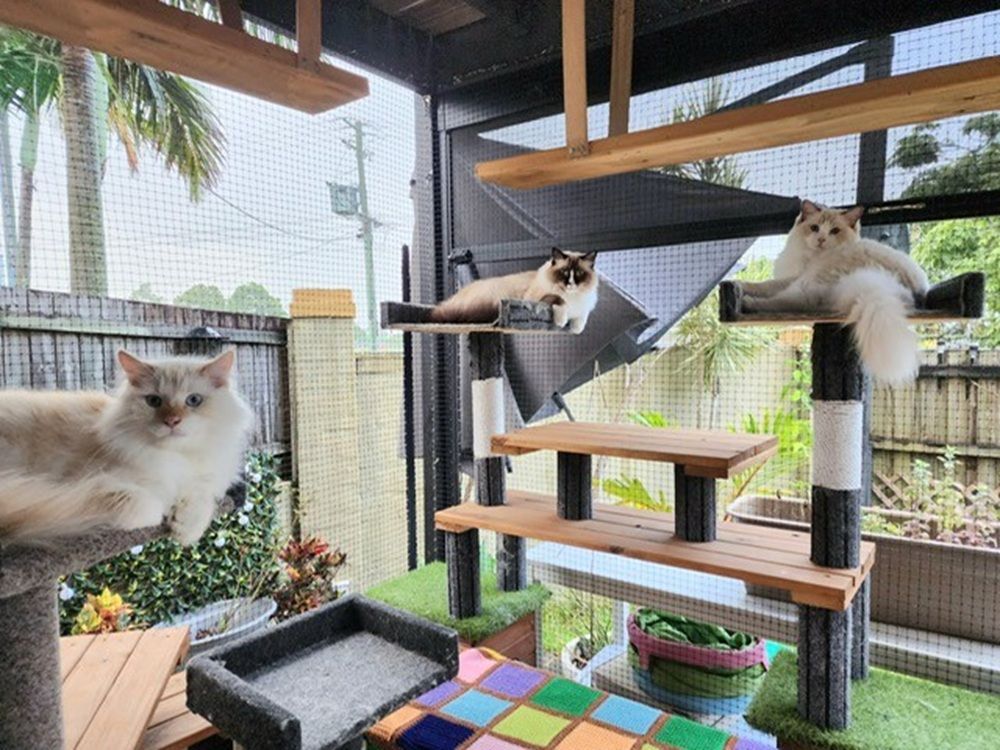
There are various ways for your cat to securely explore the fresh air and satisfy their curiosity in a controlled manner. Here’s our tried and tested methods for all types of households:
A Catio, or outdoor enclosure, is a secure outdoor space that allows your cat to enjoy sunshine and fresh air while remaining safe from potential dangers. Available in various styles and sizes, it features scratching posts and climbing shelves to create an engaging environment for your feline. Some cat enclosures are portable while others are detached (if you’re renting, those require approval from a homeowner’s association).
Training your cat to walk on a harness and leash is achievable if you are comfortable with it. This practice allows for safe outdoor exploration in a controlled manner.
If you are a homeowner with an indoor cat, a cat-proof fence is an excellent option that can be customized to fit your yard, providing plenty of opportunities for exploration and sprints.
Pet strollers and secure cat backpacks are excellent options for taking cats outdoors, especially for renters, those with limited space, or fearful cats that dislike harnesses. Large cat backpacks are suitable for short trips, enhancing portability while helping cats feel secure. In contrast, strollers are ideal for longer walks and provide more space for your pet.
Use Positive Reinforcement Training To Reward Your Cat for Staying Calm and Not Darting Out the Door.
Kirsten McCarthy / Cats.com
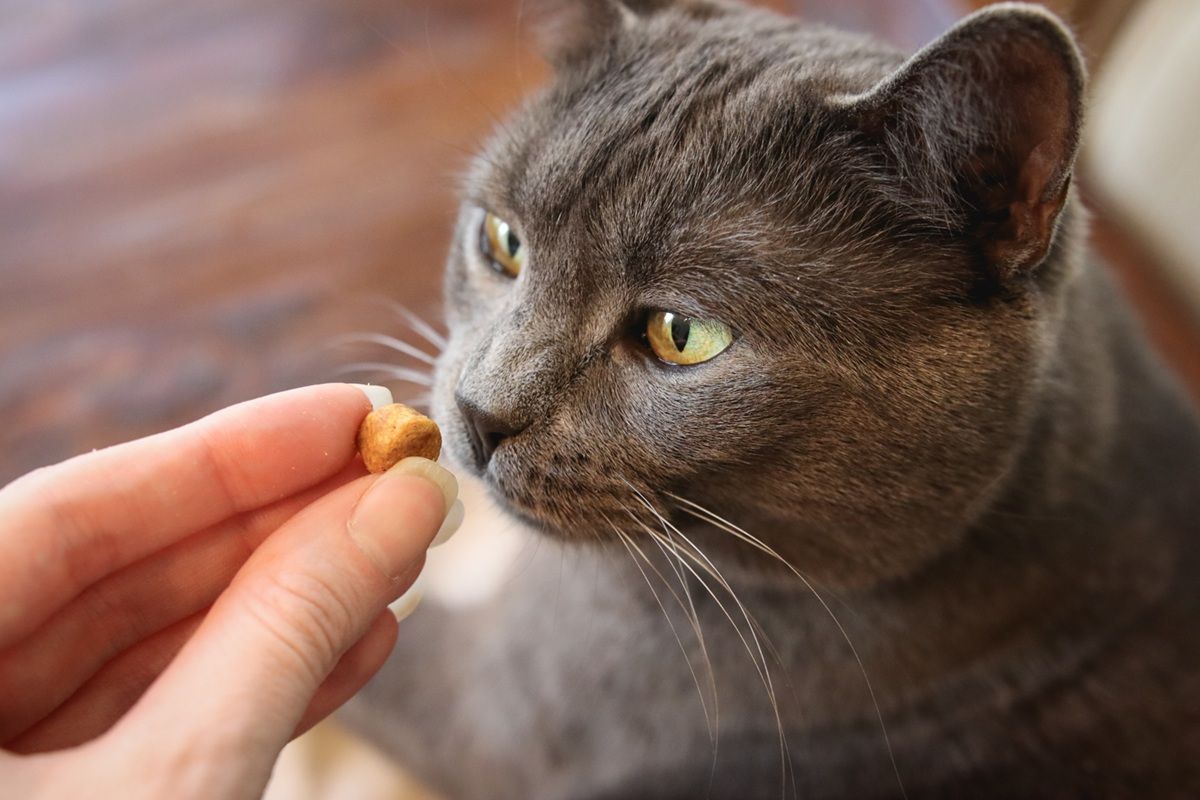
To create a positive association with staying indoors, first toss a favorite toy or treat into another room before opening the door. This will distract your cat and reward them for remaining inside. Additionally, as you are about to leave, toss a preferred toy or some treats into another room to guide your cat away from the main door.
Teach your cat to retreat from the front door using a consistent cue, such as “sit/stay or back.” Practice this signal with positive reinforcement.
Another effective method to train your cat is mat training. Start by teaching your cat to sit on a designated mat. Once they have learnt this behavior, place the mat near your door and encourage your cat to sit on it. Reward your cat for staying on the mat. Next, open the door slightly while continuing to reward your cat for remaining on the mat. Gradually open the door wider, still providing rewards for your cat’s compliance. Repeat this process as needed until your cat can stay on the mat with the door fully open.
Create a specific “meet and greet” area away from the primary door. When you get home, go directly to that area and reward your cat with a treat and attention for greeting you there.
Adjust Your Door Routine by Establishing Clear Boundaries and Implementing Safety Measures.
Some young cats may persistently attempt to escape, so it’s essential to combine training and distractions with physical barriers. This approach will help redirect the cat’s attention away from the door and minimize the likelihood of a successful escape.
To ensure your clever feline stays safe and secure, consider using tall baby gates or exercise pens to create a physical barrier at entrances. If your cat is skilled at opening doors, you might want to replace the door handles with round knobs or install child-proof locks. For particularly adventurous individuals who are prone to dashing out the door, adding a secondary screen door can help prevent escapes.
An alternative is adjusting your cat’s feeding routine by providing food when you leave or return home. This creates a positive association for your cat, helping them link your arrivals and departures to a rewarding experience rather than becoming anxious or attempting to door dart. We offer our cats multiple food puzzles scattered around the home to keep them engaged while we are away.
If you have tried all other options without success, this may be your last resort. Consider installing a pet-deterring device, such as a motion-activated air canister, near the door that emits a puff of compressed air. This will startle your cat, as most cats dislike the sound and sensation, creating a negative association with the door.
Lastly, if your cat escapes, ensure it is microchipped and wears a breakaway collar with an ID tag. A GPS tracker is also a good option for high-risk escape artists. If your cat isn’t fixed, spaying or neutering can significantly reduce the likelihood of running away, roaming, and reproducing. If the bolting behavior appears sudden or becomes extreme, consult your veterinarian.
-
Foreman-Worsley R, Finka LR, Ward SJ, Farnworth MJ. Indoors or Outdoors? An International Exploration of Owner Demographics and Decision Making Associated with Lifestyle of Pet Cats. Animals (Basel). 2021 Jan 20;11(2):253. doi: 10.3390/ani11020253. PMID: 33498511; PMCID: PMC7909512.
-
Amat M, Camps T, Manteca X. Stress in owned cats: behavioural changes and welfare implications. J Feline Med Surg. 2016 Aug;18(8):577-86. doi: 10.1177/1098612X15590867. Epub 2015 Jun 22. PMID: 26101238; PMCID: PMC10816390.
-
Smit M, Andrews CJ, Draganova I, Corner-Thomas RA, Thomas DG. Longitudinal Study on the Effect of Season and Weather on the Behaviour of Domestic Cats (Felis catus). Animals (Basel). 2025 Feb 22;15(5):637. doi: 10.3390/ani15050637. PMID: 40075920; PMCID: PMC11898201.
-
Huang L, Coradini M, Rand J, Morton J, Albrecht K, Wasson B, Robertson D. Search Methods Used to Locate Missing Cats and Locations Where Missing Cats Are Found. Animals (Basel). 2018 Jan 2;8(1):5. doi: 10.3390/ani8010005. PMID: 29301322; PMCID: PMC5789300.